Vintage 1957 Almost All Original Parts Review
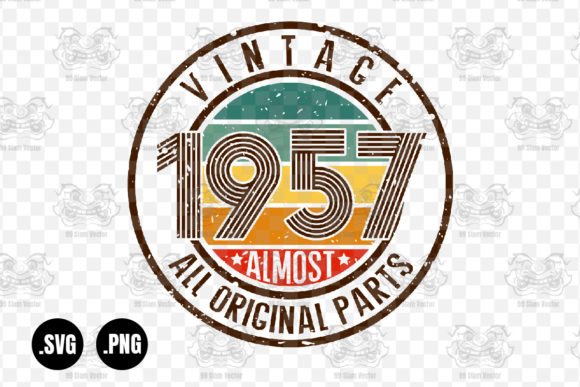
When I first opened the folder for Vintage 1957 Almost All Original Parts, I wasn't just looking at a graphic; I was visualizing the finished stitch. As someone who has spent years testing digital assets on everything from delicate baby rompers to heavy-duty workwear, my first impression is usually about character. This design immediately evokes a sense of nostalgic humor that feels authentic rather than forced. The typography has that distinct mid-century weight to it, suggesting a design that belongs in a well-loved kitchen or on a personalized gift for a milestone birthday.
The phrase "Almost All Original Parts" is a classic trope, but executing it in an embroidery file requires careful consideration of how text holds up under the needle. Unlike a simple print, embroidery relies on thread density and stitch direction to create legibility. My initial assessment suggests this file is built with a clear personality, perfect for crafters and small business owners who want to add a touch of wit to their handmade products without sacrificing professional quality.
From Digital File to Finished Tote Bag
Let's talk about a real-world scenario because that is where these designs truly live. Imagine you are preparing a custom order for a client turning 67. They have requested something funny but classy for their anniversary party. You decide to use this design on a canvas tote bag for a practical gift, or perhaps on a soft cotton sweatshirt for a cozy family gathering. When I ran a mental simulation of stitching Vintage 1957 Almost All Original Parts, I saw the potential for high engagement.
The layout works exceptionally well on flat surfaces like aprons, tea towels, or pillow covers. The curve of the text likely follows a natural arc, which is crucial for maintaining readability when stitched onto curved items like caps or rounded patches. For an Etsy seller, this design offers a versatile asset that can be adapted into multiple product lines. You could create a matching set: a kitchen towel for the cook and a tote bag for the grocery run, both featuring the same vintage aesthetic. The humor resonates with adults who appreciate self-deprecating jokes about aging, making it a safe bet for commercial embroidery projects targeting the 60+ demographic.
Navigating Fabric and Stitch Density
However, not every surface is created equal, and knowing where to apply Vintage 1957 Almost All Original Parts is just as important as knowing where to avoid it. In my experience, the success of any machine embroidery design hinges on the relationship between the fabric texture and the stitch density. If you attempt to stitch this design on a thin, stretchy knit fabric without proper stabilizer, the tension will cause the letters to pucker, ruining the clean vintage look.
This design might struggle in very small hoop sizes. Embroidery files often contain fine details in the serifs or decorative elements that can get lost if the physical space is too cramped. If the lettering is too tight, the threads may overlap, creating a muddy appearance instead of crisp definition. I would advise checking the specific stitch count before committing to a tiny patch or a small baby hat. For those working with textured fabrics like bouclé or heavy denim, the design should hold up well, provided you use a cut-away stabilizer to prevent shifting.
Dark fabrics present another challenge. If the file does not include a generous underlay or if the thread colors chosen lack sufficient contrast against the background, the white or light-colored text could disappear into the weave. Always test your thread color contrast by running a black and white mockup of the design before cutting the final fabric. This step ensures that the visual appeal remains strong regardless of the garment color.
Practical Notes for the Creative Entrepreneur
For those of you building a brand around handmade products, consistency is key. Using a design like Vintage 1957 Almost All Original Parts allows you to maintain a cohesive theme across your shop. Whether you are selling digital embroidery files or finished goods, the clarity of the design translates directly into perceived value. Customers trust brands that deliver sharp, professional results. A sloppy stitch job can undermine the quality of even the best concept, so paying attention to the technical execution is non-negotiable.
Before you start mass-producing, I strongly recommend testing the design on scrap fabric first. This is a rule I never break. You need to verify that the satin stitch holds its shape and that the fill stitch doesn't leave gaps. Inspect the corners of the letters and any decorative accents closely. If the design includes tiny details, ensure they are large enough to be distinguished by the naked eye after stitching. Sometimes, what looks perfect on a screen becomes illegible once converted to thread.
If you plan to sell finished items featuring this design, double-check the licensing terms associated with the file. Many digital product sellers assume they can use a design commercially, but some licenses restrict usage to personal projects only. Confirm whether you are allowed to sell the physical embroidered goods or if the file itself is restricted. This due diligence protects your small shop from potential legal issues down the line.
Why This Design Fits the Vintage Aesthetic
The strength of this project lies in its ability to blend nostalgia with modern craftsmanship. It fits naturally into categories like holiday gifts, wedding favors, or boutique branding where a touch of retro charm is desired. The design acts as a conversation starter, inviting people to smile at the wearer's age. For a nursery decor item, it could be a humorous nod to parents raising teenagers, while on a cap, it serves as a stylish accessory for a seasoned professional.
When evaluating this as a graphics asset, consider how it interacts with other elements. Does it pair well with floral motifs? Can it stand alone? The versatility of the SVG and PNG formats mentioned in the description suggests it can be used for vinyl cutting as well, offering a dual-purpose solution for makers who work with both heat press and embroidery machines. This flexibility adds significant value to the purchase, allowing you to expand your product offerings without needing to source new designs constantly.
In conclusion, Vintage 1957 Almost All Original Parts is more than just a funny quote; it is a functional tool for designers and entrepreneurs. It brings a warm, relatable energy to your projects, provided you respect the technical limitations of embroidery. By choosing the right fabric, using adequate stabilizer, and verifying the stitch quality, you can transform this digital file into a cherished piece of wearable art. Whether you are crafting a one-off gift for a friend or stocking your online store with trendy apparel, this design has the potential to elevate your work and delight your customers.